Field notes: the roof that ranked last on paper and first after the re-roof
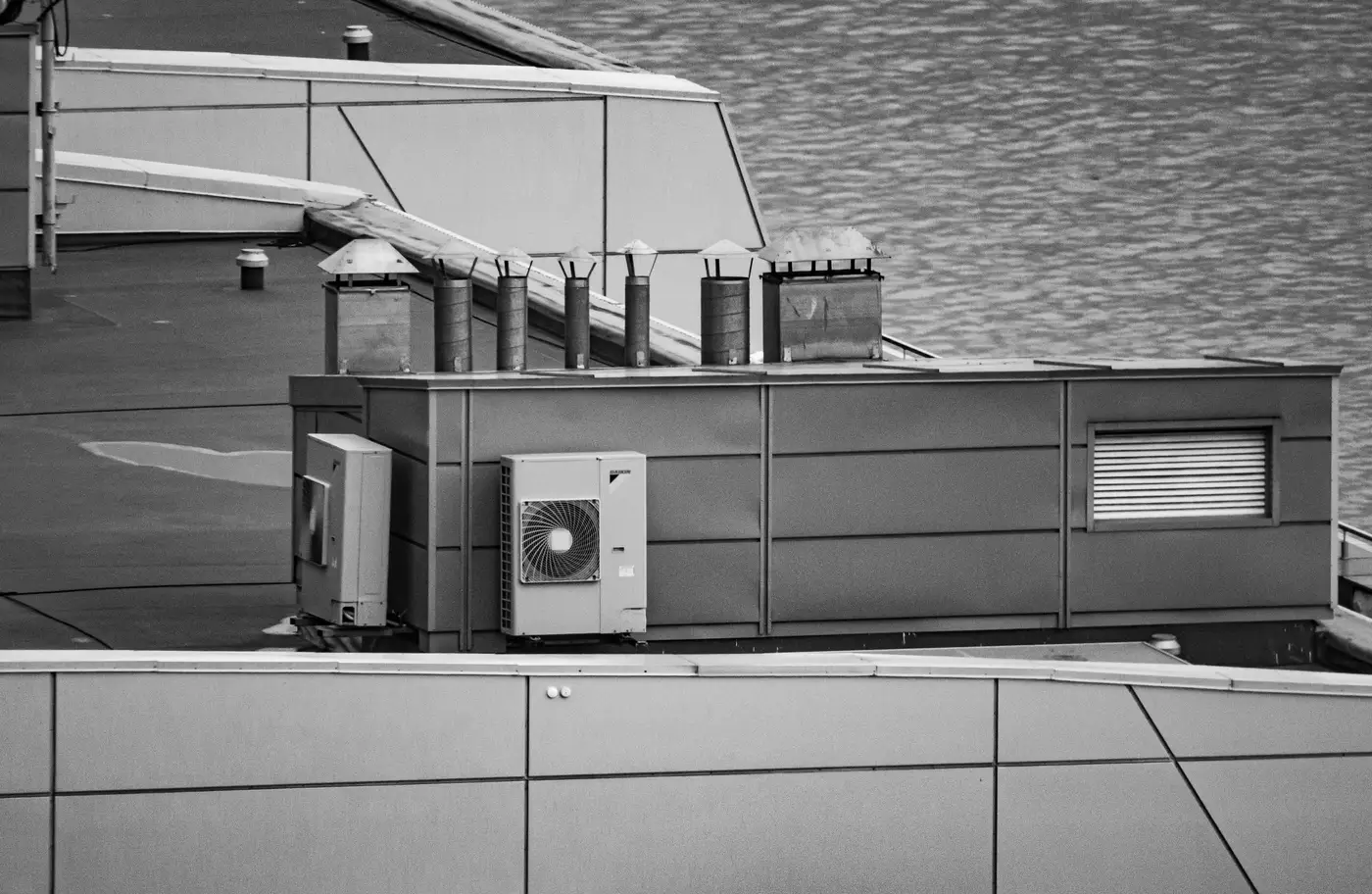
It was a 240,000 square foot distribution center roof, south-facing field, decent parapet height, nothing exotic. On the first pass it sat near the bottom of a nineteen-site portfolio, pulled down by a field crowded with rooftop equipment.
Fourteen HVAC curbs scattered across the field like they'd been dropped from a plane. A bank of old skylights running the length of the ridge. Two exhaust stacks nobody could explain. The usable area after setbacks and shading came out low enough that the site barely cleared the cutoff for a walk-down, let alone a PPA bid. It got parked. The team moved on to sites that looked cleaner on paper.
A year later, facilities redid the roof. Not for solar. The membrane was past its service life and they were replacing it anyway, and somewhere in that process somebody consolidated the HVAC units into a single mechanical yard in the northeast corner instead of letting them sprawl, swapped the old skylight bank for four larger units set tighter together, and capped the mystery stacks that turned out to be dead vents from a tenant that left in 2019.
Nobody on the solar side knew any of this happened. Why would they. Re-roofs get scheduled by a facilities manager working off a completely different clock, usually tied to warranty expiration or a leak that finally got bad enough to act on, and that calendar has nothing to do with a developer's ranking cycle.
The next annual pass put that roof at the top of the portfolio. Same footprint, same orientation, same parapet. What changed was the obstruction count, and obstruction count is most of what was dragging the usable area down in the first place. Clear the clutter and the unshaded field gets contiguous instead of chopped into a dozen awkward rectangles around curbs and stacks. The installable kWp estimate on that one roof roughly doubled.
This isn't a one-off. Roofs don't stay still. Tenants swap out rooftop units. Facilities teams consolidate mechanicals during a re-roof because it's cheaper to maintain one cluster than fourteen scattered units. Old gravel ballast gets replaced with TPO and the roofer relocates equipment to meet new walkway pad requirements. None of that shows up in a portfolio spreadsheet from two years ago, and none of it gets flagged to the team doing the shortlisting, because the two teams barely talk.
A one-time desk screen has a shelf life. Rank a portfolio once and the ranking starts decaying the day you run it. A site that didn't clear the bar in year one could clear it easily in year two, and a site that led the pack might have had a new mechanical penthouse added since and now doesn't. Re-walking nineteen roofs every year just to find out which ones moved isn't a realistic ask for most crews, which is the whole reason the walk-down shortlist exists as a filter in the first place, to avoid sending people to sites that were never going to pencil.
What we've started telling developers is simpler than it sounds: build an annual refresh into the ranking itself. An annual VHR pass over the portfolio catches the re-roofs, the consolidated mechanicals, the new rooftop additions, all the stuff that changes a roof's usable area without anyone on the solar side ever hearing about it. The imagery does the job the facilities calendar never will: it flags when a site's position in the stack has shifted.
That distribution center is on this year's shortlist now. It almost didn't make last year's. If you're sitting on a portfolio you haven't re-ranked since the original screen, take a look at how the annual re-rank works before you write off a roof that might have quietly gotten better.