How fire code setback pathways shrink usable roof area for commercial solar
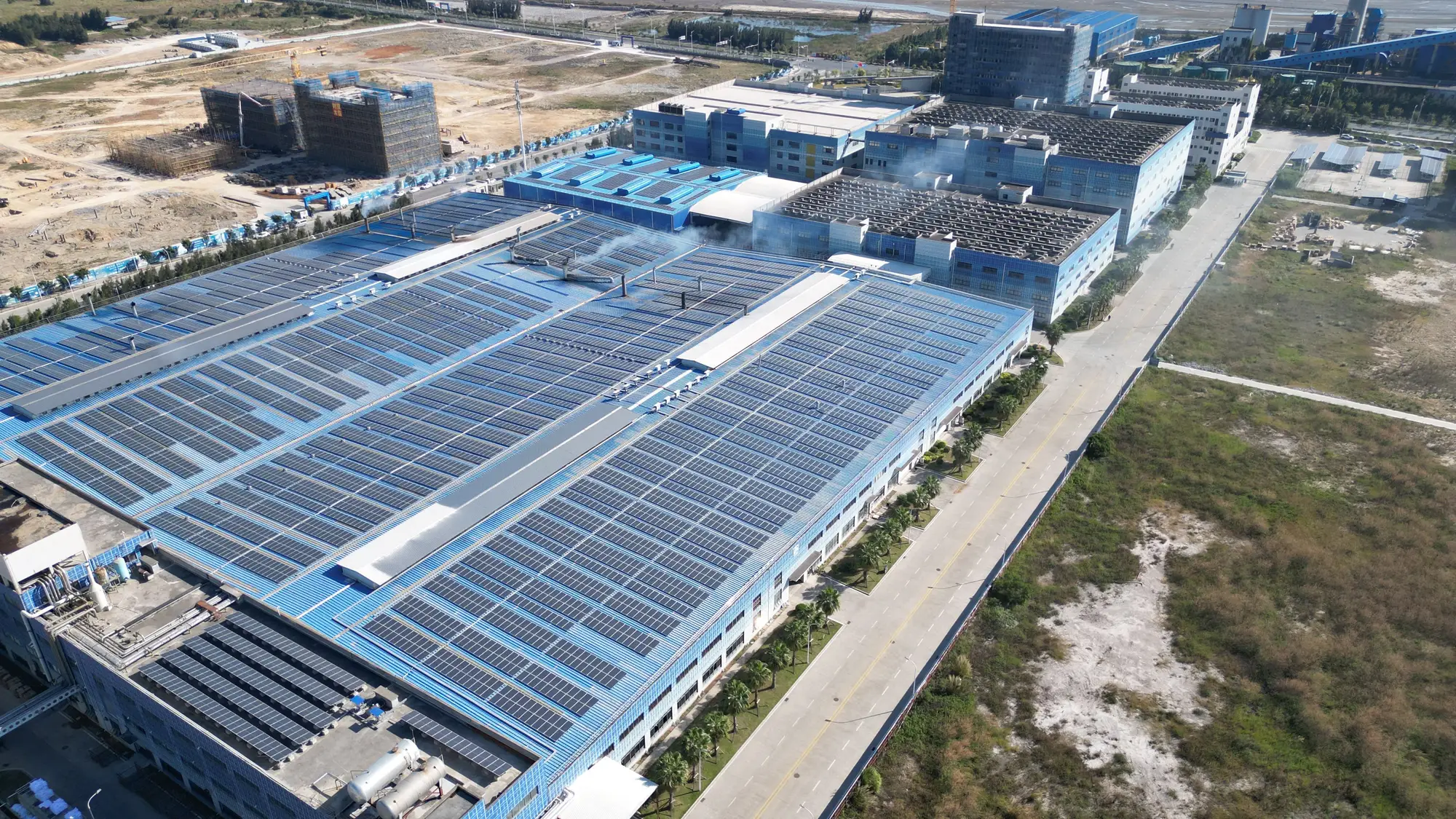
Pull the gross square footage off a roof plan and you'll overstate installable capacity every time. That gap comes straight from fire code setback requirements, which eat into usable roof area before anyone talks about racking.
Most AHJs enforce some version of IFC 605.11 (or a local amendment close to it) for rooftop PV, and the pathway requirements it sets out are not a rounding error on a commercial roof. They're a layout constraint that has to get drawn before anyone talks about module count.
What the pathway rules require
On a low-slope commercial roof, the baseline expectation looks something like this:
- A clear perimeter pathway, typically 4 feet wide, running around the full edge of the roof so fire crews can walk the building and vent if they need to.
- Interior pathways that break the array into sections, usually no larger than 150 feet by 150 feet, so crews can cut across the field instead of walking the whole perimeter to get to the far side.
- Setbacks from ridges, hips, and valleys on sloped roofs, often in the 18-to-36-inch range, to keep ventilation and access points clear.
- Smoke ventilation opening clearances near HVAC curbs, skylights, and roof hatches, which get their own setback on top of whatever the equipment already took.
Some jurisdictions adopt these almost verbatim. Others layer on their own amendments: a local fire marshal might want a wider perimeter on tall buildings, or a different section size for sprinklered versus non-sprinklered structures. None of this is standardized enough to apply one blanket percentage and call it done.
Why this hits portfolios harder than single sites
On one building, you shrug and let the EPC's engineer sort it out during permitting. On a 40-site portfolio, the pathway math is exactly the kind of thing that gets skipped in an early screen and then blows up a bid later.
The pattern shows up in a specific way: long, narrow roofs lose a much bigger share of area to perimeter pathways than square roofs of the same size, because a C&I roof clear pathway scales with perimeter, not footprint. A warehouse with a 300-by-80-foot roof loses proportionally more to a 4-foot perimeter strip than a 150-by-150-foot box does, even though both might show up as "roughly the same square footage" on a raw aerial measurement. Add a cluster of rooftop units down the centerline, each with its own setback, and a roof that looked like a clean 60,000 square feet on a desk screen can come out well under what gets racked.
This is the gap between a GIS polygon and an installable layout. Raw usable roof area for solar racking, the number you get from tracing roof edges and subtracting obvious obstructions, tells you almost nothing about what fits once pathway rules are applied. Two roofs with identical usable square footage can land on very different installable kWp depending on their aspect ratio, their equipment layout, and how many interior pathways their size triggers.
Where this leaves a desk screen
A desk screen based on raw square metres can rank a portfolio in the wrong order. A roof that looks like the best candidate on paper, wide open, minimal shading, can drop several spots once you account for the pathway geometry its shape forces. A roof that looked mediocre because of a smaller footprint might hold its rank better because it's closer to square and loses less edge to perimeter clearance.
Catching this before PPA bids go out usually means a site-visit shortlist: send someone to walk the roofs that screened well, confirm obstruction counts, and sketch where pathways would fall. That works, but it's slow, and it means the portfolio ranking you started negotiations with was built on a number that was going to change anyway.
Rooftop Solar Suitability rates every roof and canopy in a portfolio against orientation and obstruction from a single annual VHR pass, and hands back installable kWp per site instead of a raw area figure, so the ranking you take into bid prep already reflects what the roof shape and rooftop equipment actually leave to work with.
If pathway-driven losses keep showing up after your site visits, it's worth re-ranking the portfolio before the next round of bids goes out.