Roof life vs. panel warranty: setting a site cutoff for portfolio screening
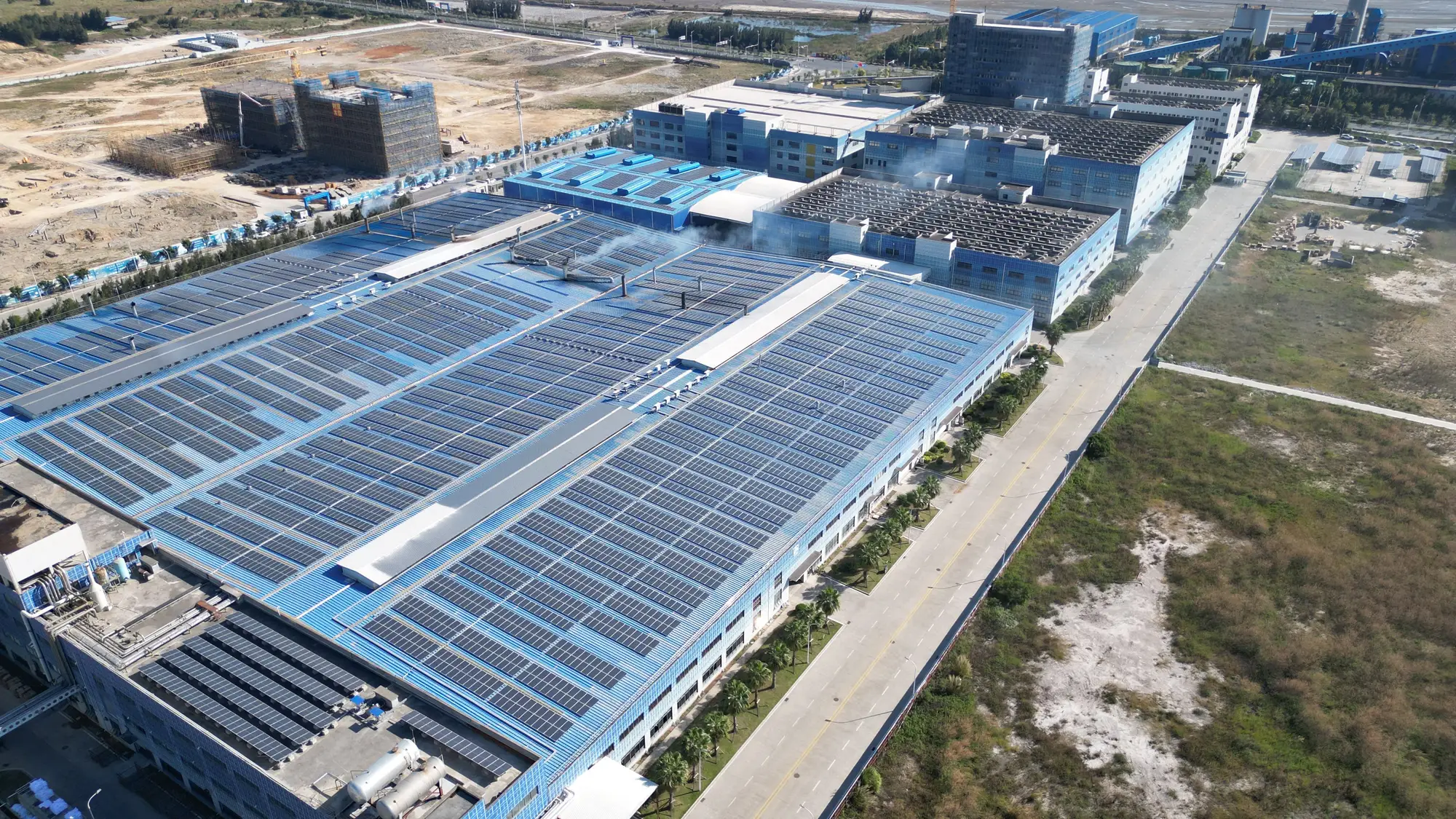
A 400 kW rooftop array with a 25-year PPA sitting on a 14-year-old TPO membrane is not a solar problem. It's a roofing problem wearing a solar label. Panel manufacturers warranty output for 25 to 30 years. Nobody warranties the roof underneath it for that long, and that mismatch is where portfolios lose money mid-contract, not at interconnection.
Every roofing system has a service life that has nothing to do with the array sitting on top of it. A built-up roof (BUR) typically runs 20 to 25 years before it needs a full tear-off. Single-ply membranes like TPO and EPDM land somewhere in the same range, sometimes less depending on install quality and UV exposure. Once panels, racking, and conduit are anchored to that surface, a reroof stops being a maintenance line item and becomes a de-energize, de-install, reroof, reinstall sequence that can run six figures per site and knock a roof out of production for weeks. That cost doesn't show up in the LCOE model until someone runs it, and by then the PPA is already signed.
Why this belongs in the first-pass screen, not the engineering phase
Most portfolio screens rank sites on usable roof area, orientation, and shading, because those drive installable kWp. Roof condition rarely makes that first cut. It gets checked later, during the site-visit shortlist, after a developer has already spent time modeling a layout. By then, finding out a roof has eight years of life left against a 20-year PPA term means either walking away from a site that already looked good on paper, or building a reroof cost into a deal the model didn't price for.
Roof age and roofing type are both knowable before anyone drives out. Permit records, prior satellite passes, and membrane type by building age give a rough remaining-life estimate for most of a portfolio without a single ladder climb. That's enough to sort sites into three buckets early: roofs with life to spare, roofs that need a reroof-before-install conversation with the owner, and roofs where the two together just don't pencil. Folding that into the same pass that screens for installable kWp means the sites that die on roof condition never make it to the field-visit list in the first place.
Setting the actual cutoff number
There's no single industry cutoff, because it depends on the PPA term you're underwriting and how much reroof cost the deal can absorb. A few ways developers set one:
- Match remaining roof life to PPA term plus a buffer. If the contract runs 20 years, a roof with 20 years of remaining life sounds fine until you remember the install itself eats a year or two off the front. Some teams add a 3 to 5 year cushion on top of the PPA term before they'll proceed without a reroof clause.
- Set a hard floor by remaining-life percentage. A common rule of thumb: if less than half the roof's rated service life remains, treat the site as reroof-before-install by default rather than case-by-case.
- Separate the cutoff by roofing type. A ballasted system on a structurally sound roof tolerates a shorter remaining life than a fully-adhered membrane with penetrations, because the removal and reinstall cost differs.
None of these numbers are universal, and the right one depends on how your financing partner underwrites reroof risk. Pick one and apply it the same way across every site in the portfolio, so roof condition gets flagged in the first pass instead of surfacing site by site as the engineering team reaches each address.
Where this fits before the site visit
A roof age cutoff only works if it's applied at the same stage as the usable-area and orientation screen, not after. Rooftop Solar Suitability rates every roof and canopy across a portfolio for usable area, orientation, and obstruction from one VHR pass a year, and hands it back as installable kWp per site instead of raw square metres, so the sites that fail a reroof cutoff drop out before anyone schedules a walk-down.
If you're ranking a portfolio and want roof condition flagged alongside kWp before the shortlist goes out, that's the first pass worth running.