Specific yield: why kWh per kWp beats raw kWp when ranking C&I roofs
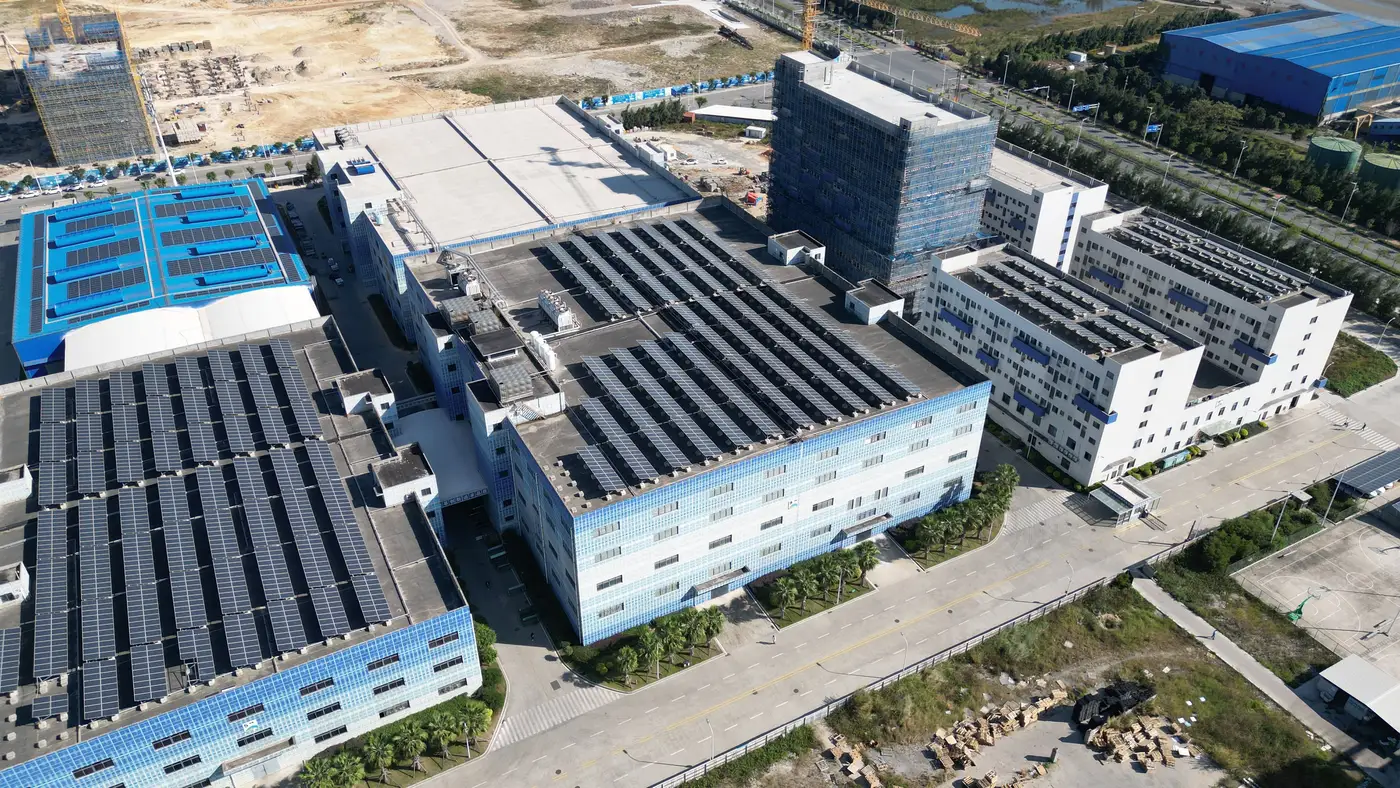
When you're stacking twenty or forty sites against each other for a PPA bid, raw kWp doesn't tell you which roof actually earns its keep. Two sites can carry the same installable capacity, same panel count, same inverter spec, and still produce meaningfully different energy over a year. The number that explains the gap is specific yield: kWh produced per kWp installed, annualized.
It sounds like a small distinction. In a portfolio ranking exercise it isn't. A site with low specific yield needs a bigger capacity factor assumption in your PPA model to hit the same revenue target, and that assumption has to survive a lender's independent engineer review. Ranking by nameplate kWp alone can put a shaded, poorly oriented roof ahead of a cleaner one that happens to have a lower peak capacity but a better yield profile.
What drives specific yield on a given roof
Specific yield isn't a property of the panel. It's a property of the site. The same module, same inverter, same string design will yield differently depending on:
- Orientation and tilt relative to true south (or true north, below the equator). A roof plane 20-30 degrees off optimal azimuth loses real production even if usable area is identical to the roof next door.
- Self-shading and near-field obstruction. Parapet walls, rooftop plant, adjacent rooflines, and HVAC clusters cast shadows that cut output at specific hours without reducing the panel count you can physically fit.
- Far-field shading. Taller neighboring structures or tree lines that a desk screen based on a flat plan view will miss entirely.
- Array density and row spacing, where tighter packing to maximize kWp per site can depress the yield-per-kWp of that same capacity through inter-row shading.
None of this shows up in a square-metre count. A flat roof with excellent usable area can still post a mediocre specific yield if half of it sits in the shadow of a water tank from 9am to noon. That's exactly the kind of detail a manual walk-down is supposed to catch, and exactly the kind of detail that's easy to miss across a forty-site portfolio when the walk-downs happen on different days, by different engineers, with different levels of attention to the obstruction on each parapet.
Why yield-based ranking changes the shortlist
Rank sites purely by installable kWp and you're comparing the biggest number on paper, not the roof that converts capacity into revenue most efficiently. Specific yield is the number a PPA counterparty and a lender both weigh more heavily than raw capacity, because it maps directly to annual energy output and therefore annual revenue.
A mid-size roof with clean south-facing orientation and minimal obstruction can outrank a larger roof with awkward massing, even when the larger roof wins on total kWp. For a developer deciding where to spend limited site-visit budget ahead of a bid deadline, that reordering matters: it points the engineering team at the five sites most likely to clear the yield bar before anyone drives out to look at a roof plan.
Building a yield-aware rank for every roof in a portfolio the old way means someone estimates orientation, usable area, and obstruction per site by hand, from imagery or a site visit, before anyone can even start comparing kWh per kWp across the list. That's the step Rooftop Solar Suitability is built to replace: one VHR pass scores every roof and canopy in the portfolio for usable area, orientation and obstruction, and hands it back as installable kWp per site so the yield comparison has something real to work from, rather than a flat area count that treats every roof as if it faced the same way under the same sky.
A quick gut-check before you trust a number
If a site's specific yield figure looks suspiciously close to every other site in the portfolio, that's usually a sign the input data was averaged at the portfolio level rather than derived per roof. Real portfolios have real variance. A ranking that doesn't show any is worth a second look before it goes into a bid.
If you're sitting on a multi-site list and need the yield-relevant inputs, usable area, orientation, obstruction, scored per roof instead of estimated by hand, get in touch about where Rooftop Solar Suitability fits into your shortlist process.